
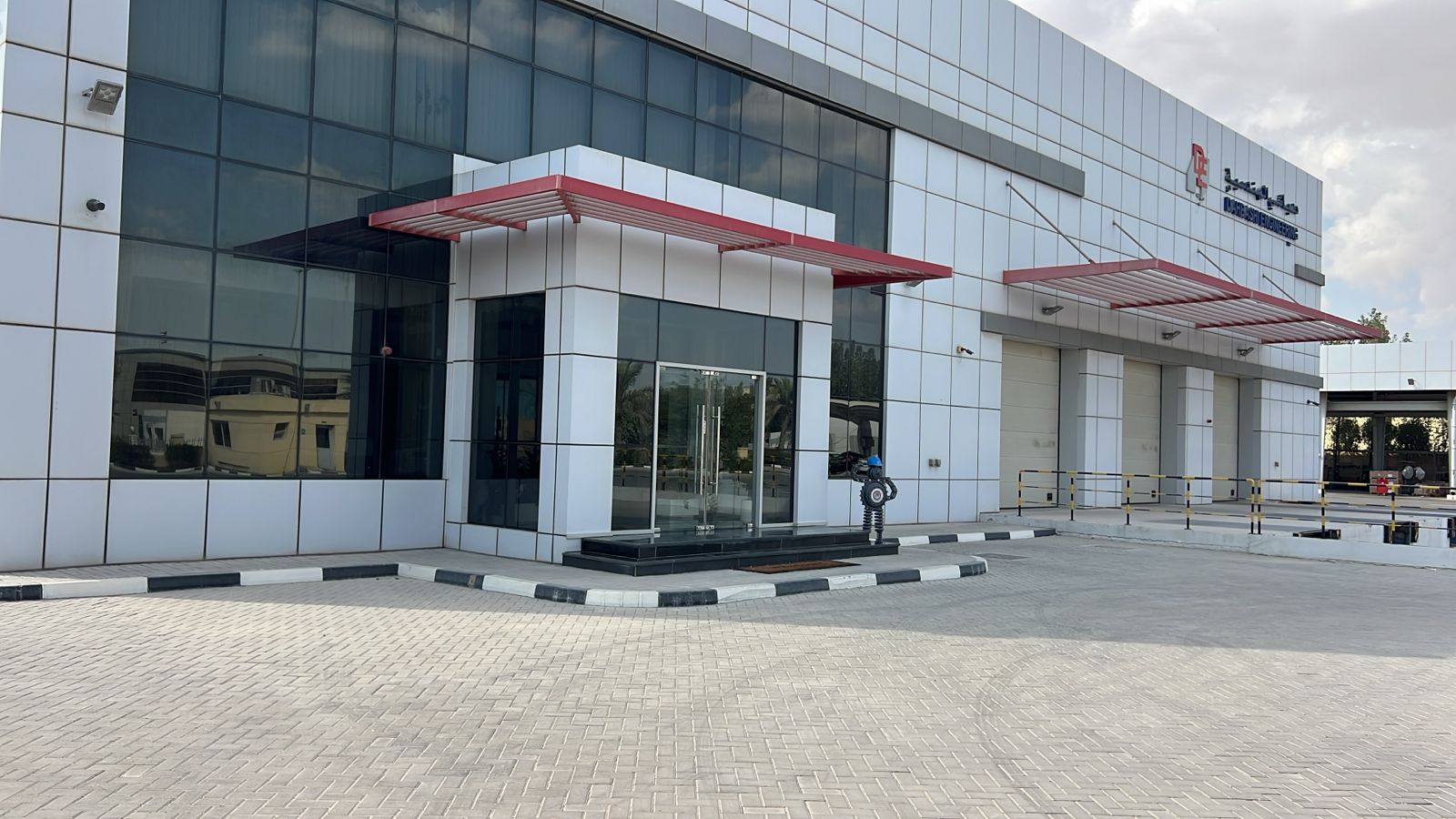
Dahbashi Engineering, a leading provider of after parts for heavy machinery and energy solutions, has announced its transition to on-grid solar power at its headquarters in Dubai Industrial City. The initiative underscores the company’s commitment to sustainable growth and regional energy efficiency goals.
Once implemented, the solar system at Dahbashi Engineering will provide approximately 50% of the facility’s annual electricity consumption. By leveraging the Shams Dubai net-metering framework, the project will allow any surplus power generated to be fed back into the grid, further supporting Dubai’s clean energy infrastructure.
The system is being designed and implemented by Emirates Electrical Engineering (EEE), a UAE-based solar EPC provider, which will deliver the project on a turnkey basis including system design, government approvals, installation, and commissioning.
The move comes at a pivotal time for the UAE’s renewable energy sector. According to recent industry research from Mordor Intelligence, the UAE solar energy market size is expected to grow to 48.85 GW by 2030, representing a significant compound annual growth rate (CAGR) of 35.48%. This rapid expansion is increasingly driven by commercial and industrial (C&I) demand, which is projected to grow at a 10.3% CAGR through 2031 as businesses seek to decouple from traditional gas-dominated power.
“Our transition to on-grid solar is a practical, long-term decision rooted in both environmental responsibility and operational stability,” said Saleem Ahmed, Co-founder and CEO of Dahbashi Engineering. “Integrating renewable energy is a core requirement for a resilient industrial ecosystem. This project will allow us to significantly reduce our footprint while securing a predictable and efficient energy supply for decades to come.”
“Our objective is to deliver a solar solution that creates immediate operational value while supporting Dahbashi Engineering’s long-term sustainability goals. By designing and implementing a system tailored to the facility’s energy profile under the Shams Dubai framework, we will enable a reliable, efficient source of renewable power that will help reduce costs, optimize energy performance, and contribute to the UAE’s Net Zero by 2050 commitment,” said Prabash Manthara, General Manager – Emirates Electrical Engineering.
The initiative is expected to deliver a 30% reduction in electricity-related operational costs. It also reflects a broader shift in the UAE power market, where behind-the-meter solar installations are becoming increasingly attractive as they can deliver tariffs significantly below standard grid rates.
Dahbashi Engineering intends to use this project as a blueprint for potential renewable energy integrations across its wider GCC and Indian subcontinent network.