A creator whose content performs well in Dubai may also have followers in Saudi Arabia, Kuwait or Bahrain. It’s tempting to book one person and expect the same campaign to work across the region.
But an audience that crosses borders doesn’t mean the same rules, message or agreement will work everywhere. Before committing your budget, look at where the campaign will run, who it needs to reach and what both the business and the creator are responsible for.
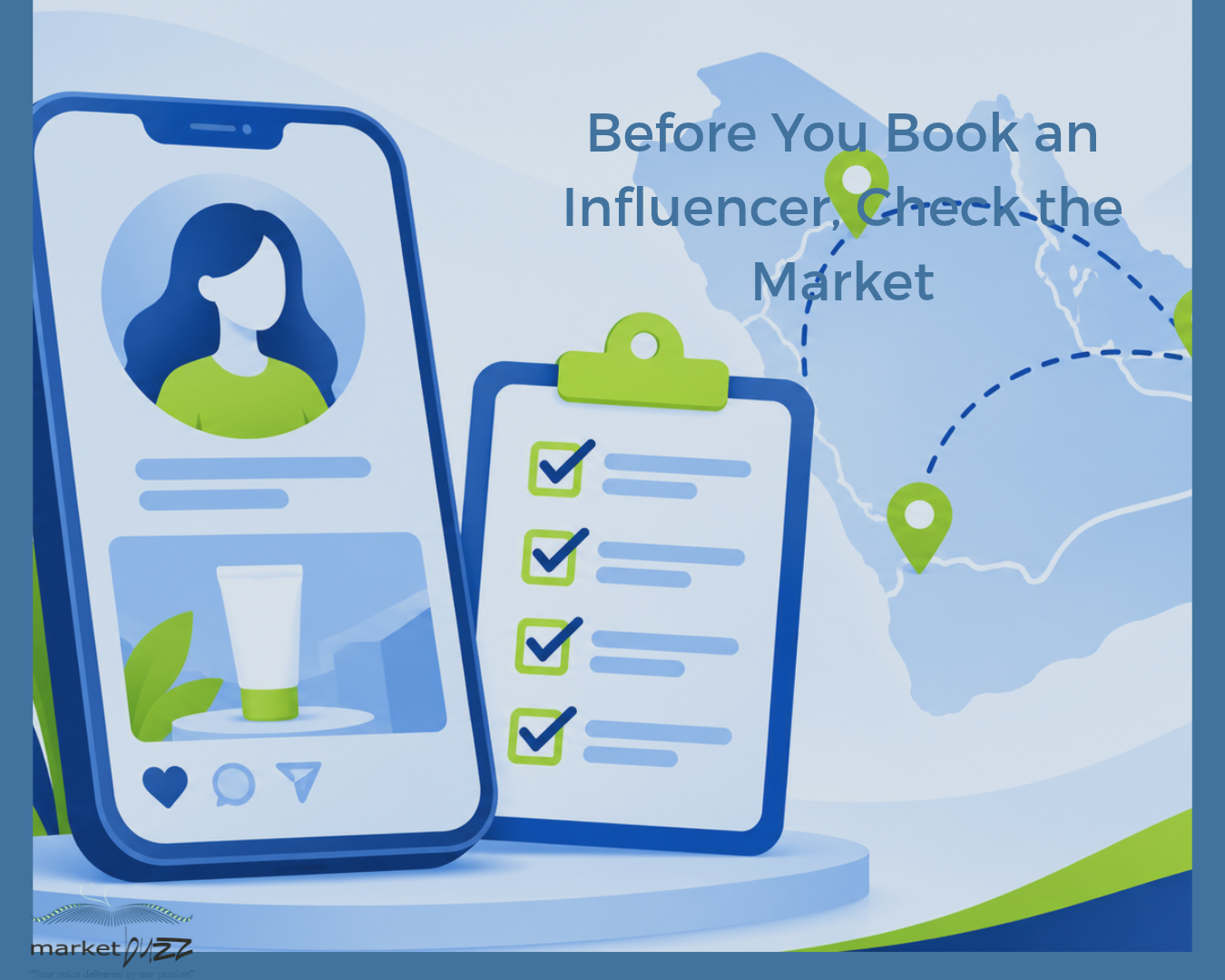
Here are five checks to make before you sign.
- Check the markets and the audience
Be clear about which countries you want to reach. Ask the creator for an audience breakdown by location, alongside information about engagement and the content their followers respond to.
A large regional following is useful only if it includes the people your business wants to reach. A smaller creator with an engaged audience in your target market may be a better fit than someone with more followers spread across the region.
Consider whether their usual content, language and tone suit your product or service. If their audience follows them for restaurant reviews, a business software promotion may feel out of place, however impressive their numbers.
- Check the permits and approvals
Don’t assume a permit in one country covers activity in another, or that an unpaid collaboration automatically falls outside the rules.
In the UAE, the National Media Authority’s advertiser permit guidance says individuals who advertise on social media need a permit whether or not they receive financial compensation, subject to stated exemptions. There is a separate process for visiting advertisers.
In Saudi Arabia, individuals providing advertising content on social media generally need a Mawthooq licence, including for promotions made without a fee, although exemptions apply. Ask for the creator’s licence details and check whether the product or service needs separate approval. For example, certain medical device advertisements also require Saudi Food and Drug Authority approval.
Check the requirements in every relevant market before booking, and agree who will obtain any additional approvals.
- Be clear that it’s a partnership
Your audience should be able to recognise commercial content. That includes situations where a creator receives a product, an invitation or another benefit rather than a direct fee.
Agree how the relationship will be disclosed, check the rules in the relevant markets and use the platform’s disclosure tools where appropriate. Make sure the wording is clear in every language used.
Saudi Arabia’s new Consumer Protection Law, approved in November 2026, also addresses misleading commercial practices. It is due to take effect 180 days after publication in the Official Gazette. It’s another reason to check that claims are accurate and that audiences understand the nature of a promotion.
- Brief the claims, not just the content
A creator needs to know what they can say about your product, as well as what they should avoid saying.
Give them accurate information and evidence for any claims you expect them to make. Be particularly careful with promises about health, financial results or product performance. A confident recommendation can become a reputation problem if the business cannot support it.
Agree who will review the content before it goes live, while giving the creator enough freedom to speak naturally to their audience. Our earlier post on the evidence test for business claims is a useful starting point.
- Agree what happens after the post
A fee for creating a post doesn’t automatically settle how that content can be used later.
Put the details in writing: the platforms and markets covered, number of posts, timing, review process, reporting and what happens if something needs correcting. Agree whether your business can repost the content, use it in paid advertising or continue using it after the campaign ends.
Decide what success looks like before you begin. Is the campaign intended to build awareness in a new market, bring people to an event or generate enquiries? The answer will help you choose what to measure.
Use the resources available
The MMA MENA Influencer Marketing Guide brings together regional performance standards, rate guidance and valuation approaches. The accompanying Influencer Content Valuator offers another resource for thinking about the value of creator content. Both are useful starting points for a more informed conversation about budgets and expectations.
The right creator can help your business reach an audience in a credible way. A little preparation before the booking helps make sure the partnership works for the audience, the creator and your business.