AI is no longer a future conversation in PR. It is already embedded in how teams research, draft, monitor and report.
The real question for 2026 is not whether to use AI, but how to use it without losing judgement, context and trust.
For SMEs and growing brands in the Middle East doing their own PR, this balance matters even more. Teams are lean, reputations are closely tied to founders, and media relationships are built on credibility, not volume. Automating the wrong things can do real damage. Using AI well can free up time for the work that actually moves the needle.
Here is a practical way to think about where AI genuinely helps in PR, and where humans still need to stay firmly in charge.
What AI is well suited for
AI works best when the task is repetitive, time-consuming, or data-heavy. Used properly, it can take pressure off small teams and improve consistency.
Research and media monitoring is a clear win. AI tools can track coverage across languages, flag sentiment shifts, identify emerging narratives, and surface journalist activity far faster than manual searches. Platforms highlighted in trend reports from Sprinklr show how AI-led listening is now central to reputation management, especially across social and digital channels.
Drafting support is another area where AI earns its place. First drafts of press releases, backgrounders, FAQs, holding statements and social copy can all be accelerated with AI, as long as they are treated as a starting point, not a finished product. This is particularly useful for SMEs producing regular owned content, such as blogs, newsletters and LinkedIn posts, where speed and consistency matter.
Reporting and measurement is an often-overlooked benefit. AI can pull together coverage reports, visualise trends, benchmark performance and even map PR activity against business outcomes. According to research cited by PRLab, clients increasingly expect clearer proof of value, not just lists of links. Automation helps here, but interpretation still matters.
Workflow and planning is another quiet strength. Editorial calendars, reminder systems, asset tagging and campaign timelines can all be managed more efficiently with AI support. This is particularly useful when PR teams are juggling regional campaigns across the GCC, multiple stakeholders and long lead times.
What should stay human, no matter how smart AI gets
There are parts of PR that simply do not work without human judgement. Automating these risks flattening your message or, worse, eroding trust.
Strategy must stay human. AI can analyse trends, but it cannot decide what matters most to your business, your audience or your market. Choosing the right story to tell, deciding when to speak and when to stay quiet, and aligning PR with commercial priorities requires experience and context.
Media relationships are another red line. Journalists do not want AI-generated pitches sent at scale. They want relevance, clarity and respect for their time. Personalisation is not just inserting a name into an email, it is understanding what a journalist covers, how they work, and why your story genuinely fits. That relationship-building cannot be outsourced to a tool.
Tone, nuance and cultural sensitivity also need human oversight. This is especially true in the Middle East, where communication norms vary widely across markets, languages and audiences. AI can assist with translation or adaptation, but final judgement on tone, timing and appropriateness must sit with someone who understands the region.
Crisis communication is another area where automation should be used carefully. AI can help draft scenarios or holding statements, but real-time decision-making, empathy and accountability must come from people. In moments of pressure, audiences can tell when a response feels mechanical.
Finally, ethics and reputation sit firmly in the human camp. Deciding what not to say, how transparent to be, and where to draw boundaries requires values, not just data.
The practical middle ground for 2026
The most effective PR teams in 2026 will not be fully automated, nor stubbornly manual. They will be hybrid.
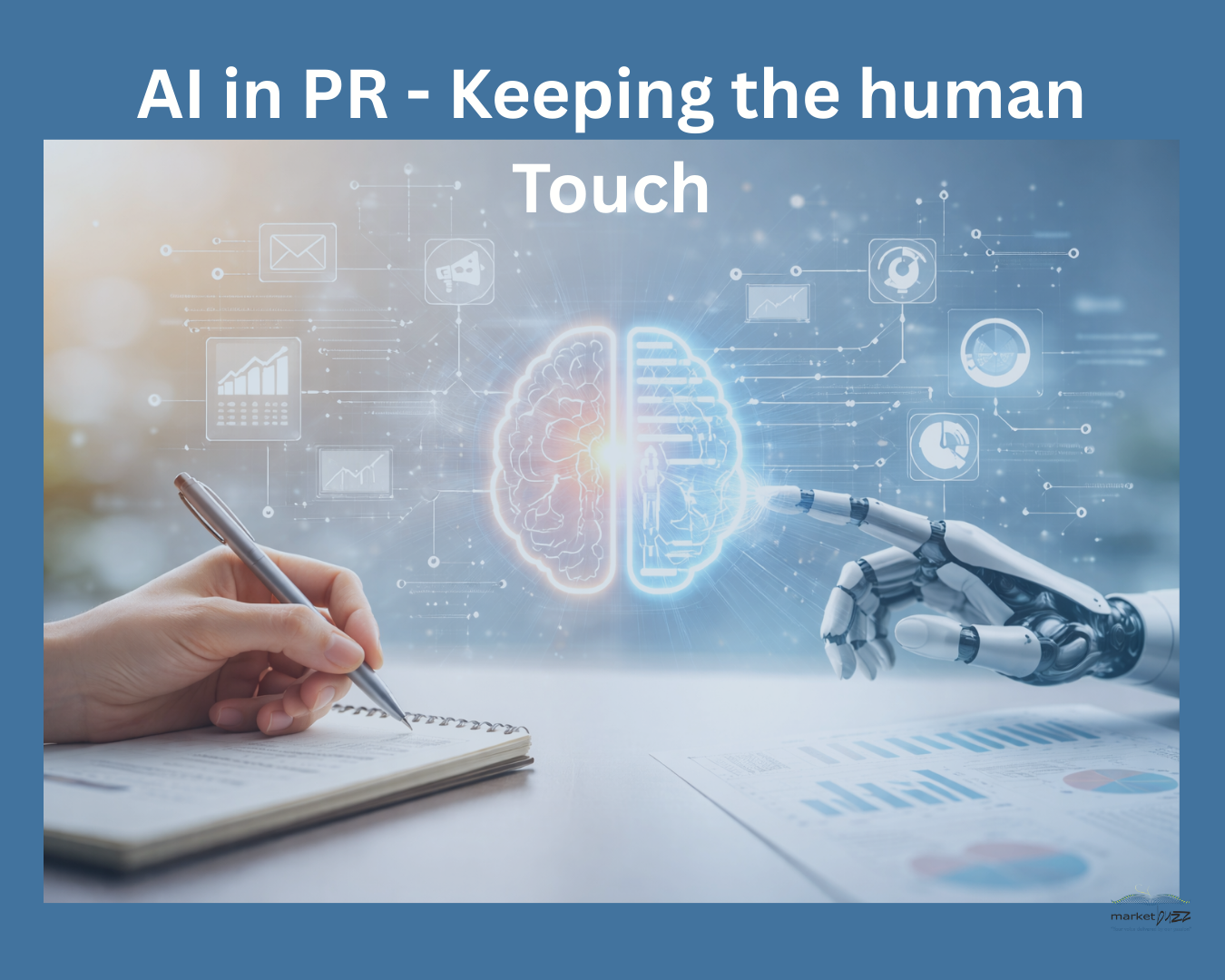
AI becomes the engine room. It supports research, drafts, monitoring and reporting. Humans stay in the driving seat. They decide the narrative, shape the message, build relationships and protect the brand.
For SMEs, this balance is also a cost decision. You do not need every new tool. You need clarity on what slows you down and what requires your best thinking. Automate the admin. Protect the judgement.
A useful rule of thumb is this. If the task benefits from speed, scale or pattern recognition, AI can help. If it relies on trust, context, persuasion or accountability, it stays human.
What this means in practice
As you plan PR activity, audit your workflow honestly. Look at where time is being lost. Look at where quality really matters. Then decide where AI earns its place.
AI will continue to reshape PR, but it will not replace the core of the discipline. Good PR has always been about understanding people, telling credible stories and earning attention. That part has not changed.
The teams that get this balance right will not just work faster. They will communicate better, with more confidence and more impact.